3-Day Mardi Himal Trek: Summit Views in the Annapurna Sanctuary (Shortest Itinerary)
By Trip Pokhara 2025-11-09
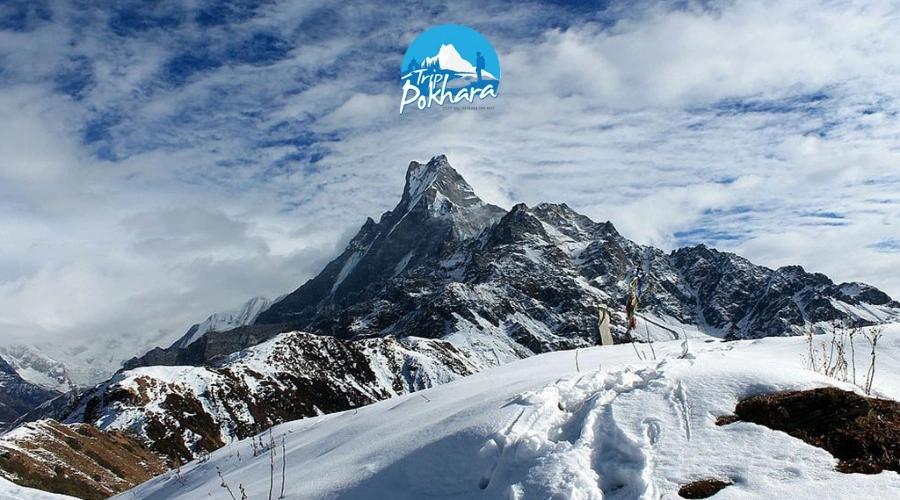
Looking for a trekking adventure near the heavenly Pokhara City, but short on time?
No worries, as the Mardi Himal trek 3 days itinerary might sound just perfect for you.
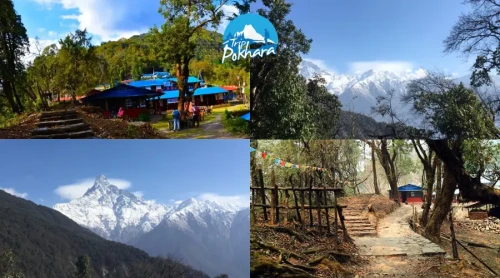
The Mardi Himal Trek is a hidden gem of the stunning Annapurna region. Nestled east of the classic Annapurna Base Camp trek, it offers breathtaking views of the Annapurna range, Machapuchare (Fishtail), Hiunchuli, and, of course, Mardi Himal itself.
Its serene trails, dotted with lush rhododendron forests and quaint villages, provide an intimate trekking experience. Plus, the trek's relatively low foot traffic makes it ideal for those seeking tranquility amidst the majestic mountains.
Whether you are a beginner or a professional trekker, you definitely cannot resist the experience and adventure of the Mardi Himal Trek 3 days itinerary.
Scenic Beauty and Tranquil Trails
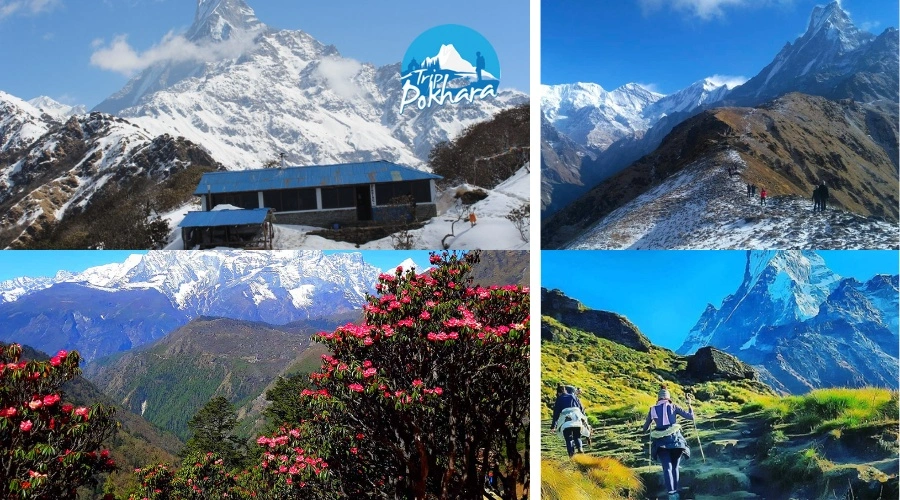
One of the short treks of Nepal's allure lies in its stunning vistas. As you travel through the trail, every turn reveals a new vista of snow-capped peaks and verdant valleys. The calm state of the path, far removed from the hustle of more popular treks like ABC or EBC treks, allows you to connect deeply with nature. You can walk for miles, enveloped by the silence of towering trees and the distant call of mountain birds.
Cultural Encounters Along the Route
Beyond the natural beauty it offers, the trek serves as a glimpse into the rich culture of the traditional Gurung and Magar communities. These local inhabitants welcome trekkers with warm smiles and hospitality. Staying in their villages and spending time with the locals, you get to experience traditional Nepalese life, taste homemade delicacies, and perhaps even join in a local festival, especially during the autumn season.
Rich Biodiversity and Wildlife
The Mardi Himal Trek, one of the short treks of Nepal, is a haven for nature lovers. The trail winds through dense rhododendron (national flower of Nepal) forests, which burst into vibrant blooms during spring. This rich biodiversity extends to the wildlife, including a variety of bird species and occasional sightings of larger mammals. The trek provides ample opportunities for photography and birdwatching, making each day a new adventure in nature.
Altitude and Trekking Difficulty
Mardi Himal's altitude is one of its appealing aspects. Despite being one of the short treks of Nepal, the trek reaches up to 4,500 meters at Mardi Himal Base Camp, offering stunning panoramic views without the extreme altitudes of some other treks.
1. Acclimatization Tips for a Safe Trek
While the trek's highest point is at 4,500 meters, it remains relatively moderate compared to other high-altitude treks. However, acclimatization is crucial. Listening to your body and ascending slowly can prevent altitude sickness. Hydration and regular rest are key strategies to ensure a safe and enjoyable trek.
2. Navigating the Mardi Himal Route
Navigating the Mardi Himal Trek requires a good map. A reliable trekking map not only helps in planning your route but also highlights important landmarks and altitudes. It serves as a guide through the changing landscapes, ensuring you don’t miss any of the trek’s hidden gems. Maps are readily available in Pokhara and Kathmandu, often accompanied by valuable local insights.
3. Using GPS and Trekking Apps
In addition to a physical map, utilizing GPS and digital trekking apps can enhance your trekking experience. These tools offer real-time tracking and additional safety features. They can be particularly useful in foggy conditions or when exploring less marked trails. Always ensure your devices are charged and consider carrying a portable charger.
Best Time to Trek Mardi Himal
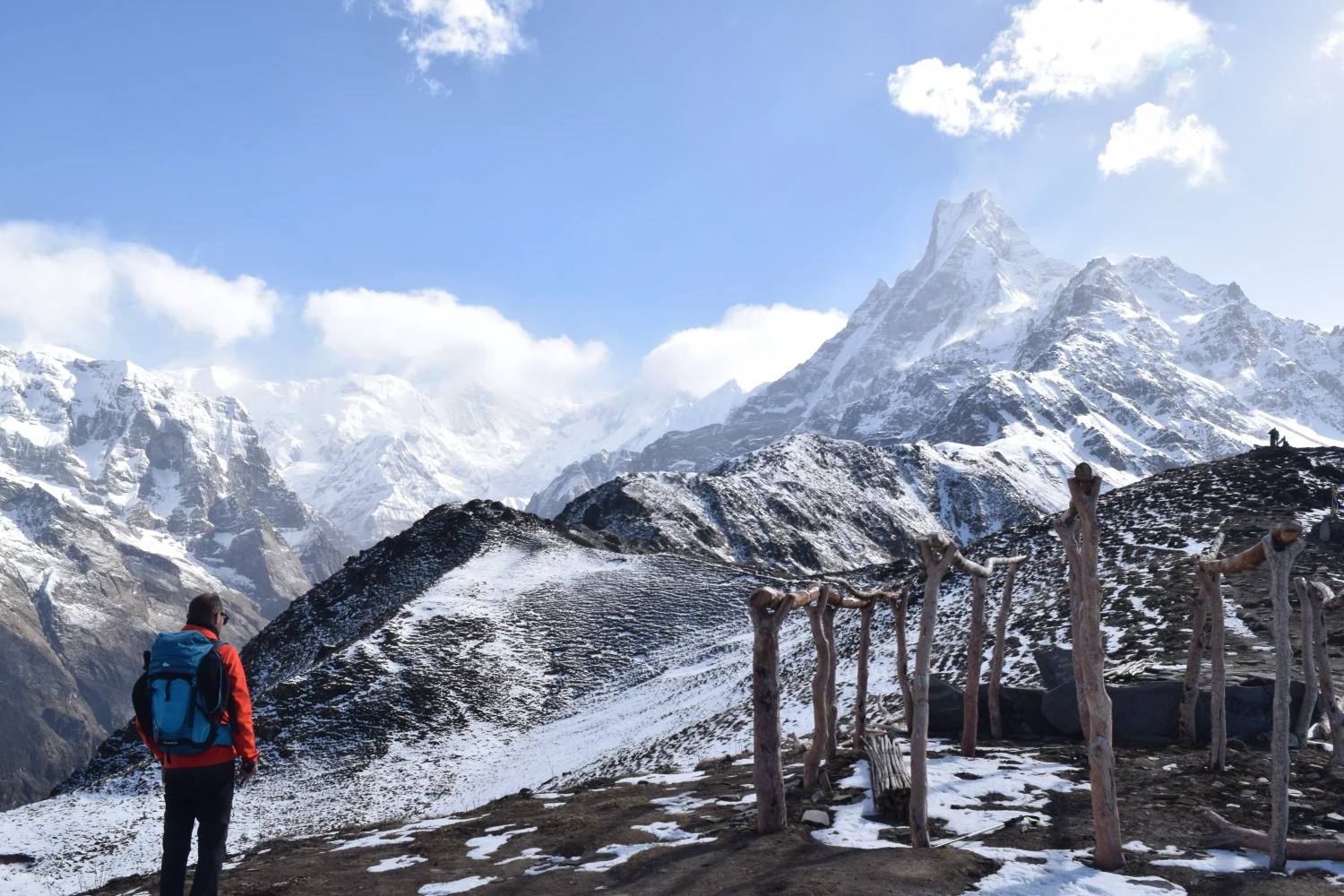
Spring (March to May) and autumn (September to November) seasons are the best times for Mardi Himal trek. In spring, the trail is adorned with blooming rhododendrons, adding vibrant colors to the landscape. Autumn offers clear skies and breathtaking mountain vistas, making it ideal for photography and enjoying the majestic scenery.
-
Mardi Himal in Spring
Spring transforms the Mardi Himal trails into a vibrant tapestry of colors. The blooming rhododendrons paint the landscape in shades of red, pink, and white. One of the best times for Mardi Himal trek, this season is perfect for nature enthusiasts and photographers, as every corner offers a new splash of color against the backdrop of snow-capped peaks.
-
Mardi Himal in Autumn
Autumn, one of the best times for Mardi Himal trek, is favored for its clear skies and stable weather. The unobstructed views of the Himalayan peaks are breathtaking, and the crisp air enhances the overall trekking experience. This season is also popular among photographers, as the golden hue of autumn leaves complements the pristine blue skies and majestic mountains.
-
Mardi Himal in Winter and Monsoon
While spring and autumn are the best times for Mardi Himal trek, the trek is accessible year-round. Winter offers solitude and snow-dusted trails, while the monsoon season, though challenging due to rain, reveals lush greenery and cascading waterfalls. Trekkers during these times should be prepared for more unpredictable weather and potentially muddy trails.
Mardi Himal Trek 3 Days Itinerary
Let's dive into the Mardi Himal Trek 3 days itinerary that allows you to soak in the essence of Mardi Himal without rushing.
Day 1: Pokhara to Kande – Trek to Forest Camp (2,600m)
Morning: Your Mardi Himal Trek 3 days itinerary starts with a journey from Pokhara with a scenic drive to Kande, the starting point of the trek. The drive to Kande from Pokhara takes about an hour and a half. From Kande, begin your hike towards Forest Camp.
The drive to Kande is a picturesque introduction to your adventure. As you leave Pokhara, the landscape gradually shifts from urban settings to lush countryside. The anticipation builds as the peaks of the Annapurna range come into view, setting the stage for the trek ahead.
Afternoon: The trek to Forest Camp is approximately 6-7 hours. You'll pass through stunning rhododendron forests and small settlements along the way. The trail is well-marked and gradually ascends, making it manageable for most trekkers.
As you hike, the trail meanders through dense forests alive with the scent of rhododendron blooms. The path, while ascending, offers plenty of opportunities to pause and take in the surroundings. Small villages dot the route, providing glimpses into local life and culture, and opportunities to rest and refresh.
Evening: Arrive at Forest Camp, located at an altitude of around 2,600 meters. Spend the night in a teahouse, enjoying the tranquility of the forest.
Forest Camp is a serene spot nestled amidst the trees. The teahouses offer warm hospitality and a chance to unwind after a day's trek. The evening is a time to relax, enjoy a hearty meal, and perhaps share stories with fellow trekkers by the warmth of a fire.
Day 2: Forest Camp to High Camp (3,550m)
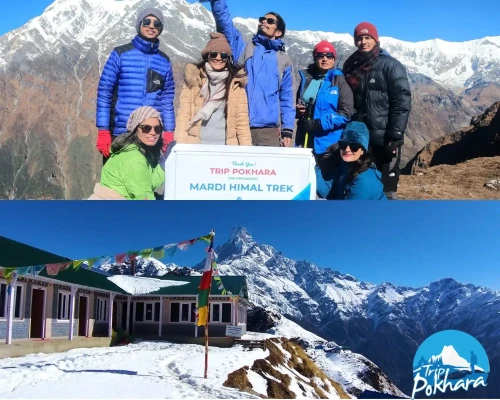
Morning: After a hearty breakfast, continue your trek towards High Camp. This part of the trail offers spectacular views of Machapuchare and the Annapurna range.
Energized by a good breakfast, you'll embark on a trail that gradually opens up to more expansive views. The iconic peak of Machapuchare, or "Fishtail," dominates the skyline, inspiring awe and numerous photo opportunities. The trek is invigorating, with the crisp mountain air enhancing the panoramic vistas.
Afternoon: The trek to High Camp takes about 5-6 hours. The altitude here is around 3,550 meters. As you ascend, the landscape transforms, with open meadows replacing dense forests.
As the elevation increases, the dense forests give way to wide-open meadows. These natural clearings offer sweeping views and a change of pace from the enclosed forest paths. The ascent requires more energy, but the beauty of the surroundings provides ample motivation to keep moving.
Evening: Arrive at High Camp, where you'll stay overnight. The views here are nothing short of magical, with the towering peaks casting dramatic shadows as the sun sets.
High Camp is a vantage point like no other. As the sun dips below the horizon, the peaks are bathed in golden hues, creating a mesmerizing twilight scene. This evening offers a unique chance to reflect on the journey and enjoy the camaraderie of fellow trekkers in a truly magical setting.
Day 3: High Camp to Mardi Himal Base Camp (4,500m) – Return to Pokhara
Early Morning: Wake up early for the final ascent to Mardi Himal Base Camp. The trail is steep, but the effort is worth it as you're rewarded with panoramic views of the Himalayas.
Rising before dawn, the final push to Base Camp begins under a blanket of stars. The trail is steep and challenging, but each step brings you closer to the summit. The reward is a breathtaking panorama as the first light illuminates the peaks, offering a view that justifies the early start and effort.
Mid-Morning: Spend some time at Base Camp, soaking in the incredible scenery and snapping photos. The altitude here is approximately 4,500 meters.
At Base Camp, the world feels expansive and tranquil. The 360-degree views are awe-inspiring, with the towering Annapurna range surrounding you. This is a moment to savor and capture, as the majesty of the Himalayas is laid out before you in all its glory.
Afternoon: Descend back to High Camp for a quick lunch and then continue your descent to Siding Village, where you'll catch a ride back to Pokhara.
The descent offers a new perspective on the trail, with familiar sights seen from a different angle. A quick lunch at High Camp provides energy for the journey to Siding Village. The transition from mountain to village life is smooth and offers a gentle return to civilization.
Evening: Arrive in Pokhara, where you can celebrate your trek with a delicious meal by Phewa Lake.
Back in Pokhara, the vibrant town offers a warm welcome. A meal by Phewa Lake, reflecting on the trek's highlights, is the perfect way to conclude your adventure. The city’s lively atmosphere provides a contrast to the serene trails, rounding out the experience with a touch of urban charm.
Required Permits for Mardi Himal Trek
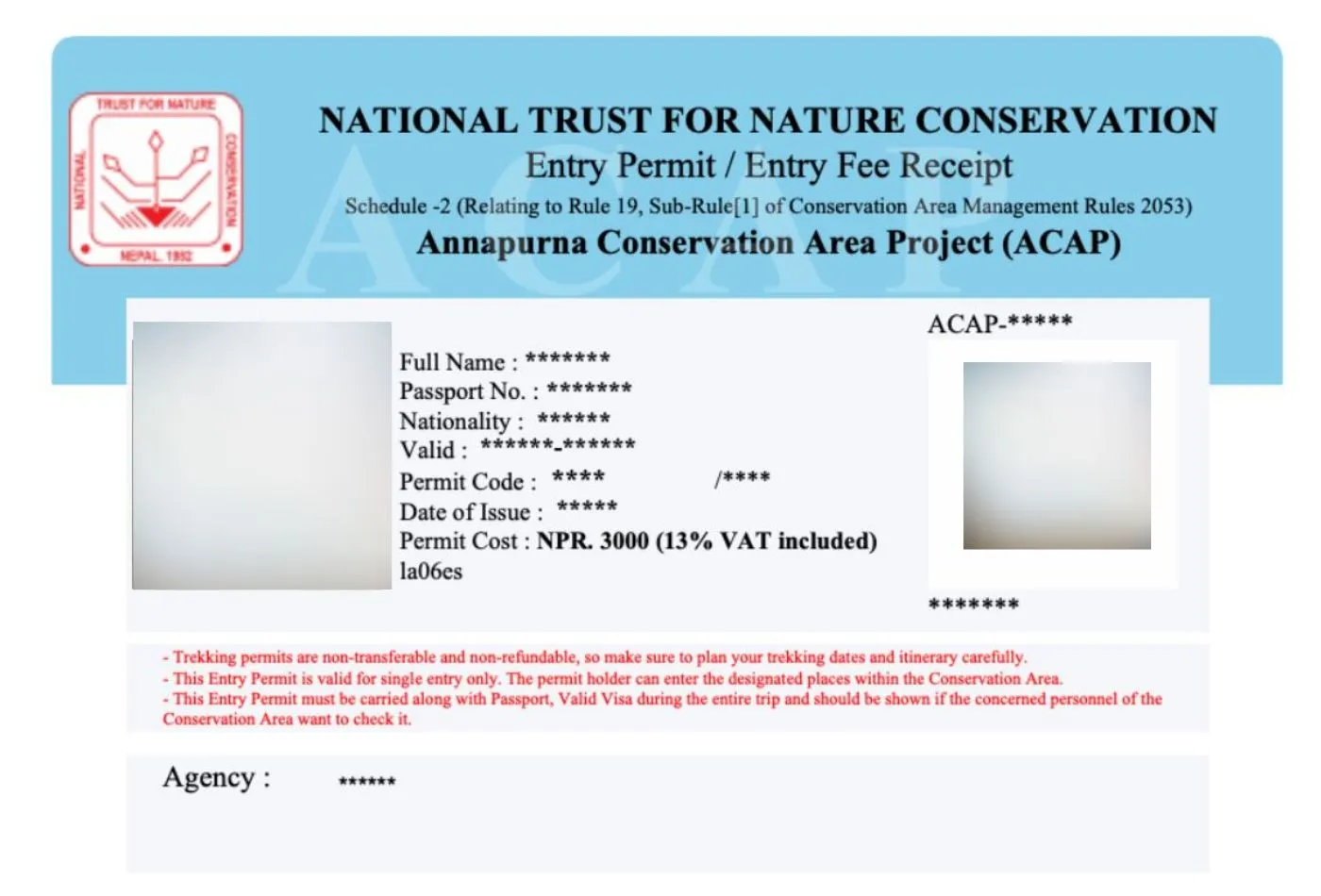
Before setting out, ensure you have the necessary permits: the Annapurna Conservation Area Permit (ACAP) and the Trekkers' Information Management System (TIMS) card. You can get these permits in Kathmandu or Pokhara.
Permits are essential for trekking in Nepal, serving both conservation efforts and trekker safety. The process of obtaining these permits is straightforward but requires careful attention to detail. Having the permits ready before your trek ensures a smooth start and contributes to the preservation of the natural beauty you’ll be exploring.
Packing List for Mardi Himal Trek
Pack light but smart. Essentials include warm clothing, a good pair of trekking boots, a first-aid kit, and a reliable trekking map. Don't forget to carry water purification tablets and some energy snacks to keep you fueled on the trail.
Efficient packing is crucial for a successful trek. Layered clothing is ideal for adapting to changing weather, while quality boots provide necessary support and protection. A well-stocked first-aid kit addresses minor injuries, and purification tablets ensure safe drinking water. Compact, high-energy snacks help maintain energy levels throughout the trek.
Final Thoughts on the 3-Day Mardi Himal Trek
Trekking the Mardi Himal in three days is a whirlwind adventure that offers a taste of the Himalayas' grandeur without requiring a long-term commitment. Whether you're a seasoned trekker or a first-timer, this trek promises unforgettable memories and breathtaking views. So lace up those boots, grab your map, and get ready to explore one of Nepal's most enchanting trails.
With its manageable altitude, stunning landscapes, and peaceful paths, the Mardi Himal Trek is a perfect choice for those short on time but rich in wanderlust.
Happy trekking!
FAQs
-
Can Mardi Trek be completed in 3 days?
Yes, you can complete the Mardi Himal trek from Pokhara in just 3 days. Compared to the regular itinerary, your daily distance to walk increases in this Mardi Himal trek 3 days itinerary, so you ned to be physically and mentally fit, and make the plan and packing accordingly.
-
How long does the Mardi Himal Trek take?
One of the most common itineraries of the Mardi Himal trek is 6 to 8 days from Kathmandu and 4 to 5 days from Pokhara. However, you can customize your own itinerary according to your schedule.
-
What is the shortest Mardi Himal trek?
The Mardi Himal trek 3 days itinerary is one of the shortest trekking itineraries for Mardi Himal.
-
Which is the best trek in Nepal for 3 days?
Some of the famous trekking itineraries in Nepal that can be completed within 3 days are:
- Mardi Hinal Trek
- Khumai Danda Trek
- Kori Danda Trek
-
Is Mardi Himal Trek difficult?
The trekking difficulty of the Mardi Himal trek is from easy to moderate, so trekkers with decent physical fitness or no prior experience can do this trek with proper planning and timing.
-
How to go to Mardi Himal from Pokhara?
To go to Mardi Himal from Pokhara, you first need to drive to Kande. From Kande, you need to trek to the Mardi Himal High Camp, passing Deurali, Forest Camp, and Mardi Himal Base Camp.
-
Do I need a permit for Mardi Himal Trek?
Yes, you need to carry an Annapurna Conservation Area Permit (ACAP) and the Trekkers' Information Management System (TIMS) card, which you can get from Kathmandu or Pokhara.
-
What are the best times for Mardi Himal trek?
The best time to visit Mardi Himal is in Spring (March to May) and autumn (September to November) when the weather is clear and the temperature is moderate.
Recent From Blog

2022-04-19

2022-04-20
.jpg)
2022-04-20

2022-04-20

2023-02-03
2023-02-06

2023-02-15

2023-03-07


2023-10-16


2025-07-21


2025-08-14


2025-08-24


2025-08-25


2025-08-27


2025-09-24
.webp)










2025-12-09